What to Know About Asphalt Shingle Roofing for Your Home
Understanding the Basics of Asphalt Shingle Roofing
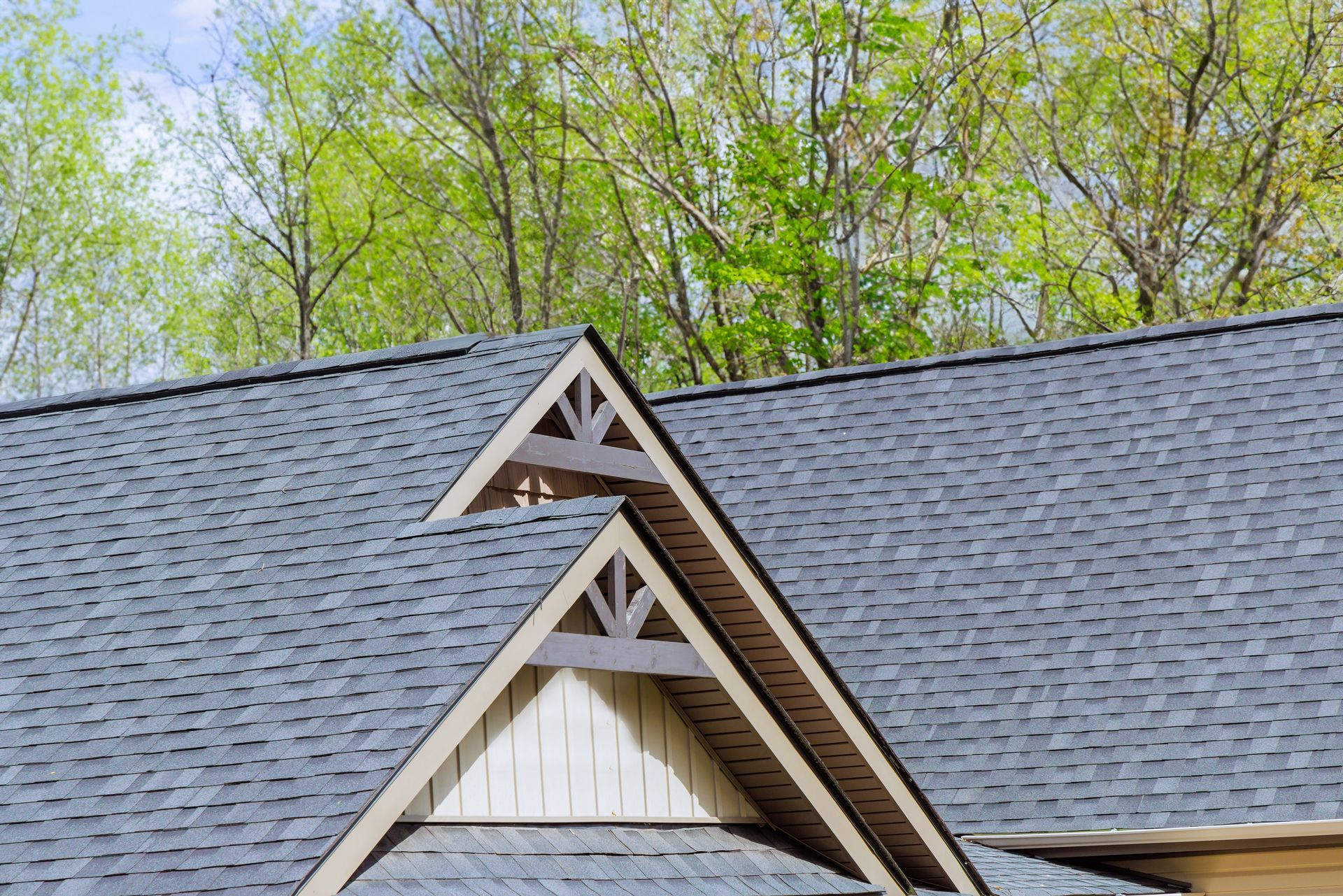
When it comes to protecting a home from the elements, few choices matter more than the roofing material. Asphalt shingles, often called asphalt roof shingles or composition shingles, have been a popular option for decades. They offer a balance of durability, appearance, and affordability that many homeowners find appealing. But before you decide, it helps to understand how these shingles work, what makes them different from other materials, and what to watch out for during installation and maintenance.
How Asphalt Shingles Are Made
Asphalt shingles are manufactured by coating a base mat, typically made of fiberglass or organic felt, with asphalt and then embedding mineral granules into the surface. The granules provide color and texture while also protecting the asphalt from UV damage. The shingles are then cut into individual tabs or strips, often with a distinctive pattern that mimics the look of wood or slate. This manufacturing process gives the shingles a consistent thickness and color that can be hard to achieve with natural materials.
Key Advantages of Asphalt Shingles
One of the main reasons homeowners choose asphalt shingles is their cost-effectiveness. They are generally less expensive than wood shingles, slate shingles, or metal roofing, yet they provide reliable protection against rain, wind, and moderate hail. Another advantage is their ease of installation. Asphalt shingles are lightweight and can be nailed directly to the roof deck using a standard nailing pattern, which reduces labor time and the risk of mistakes. They also come in a wide range of colors and styles, so you can match them to almost any architectural style.
What to Consider Before Installing
Before the first shingle goes down, the roof deck must be properly prepared. This means the surface should be clean, dry, and free of debris. Any existing roofing material that is damaged or uneven should be removed or repaired. The deck itself needs to be structurally sound, as the shingles will only be as secure as the base they rest on. A common issue is a deck that has warped or rotted over time, which can cause the shingles to buckle or lift prematurely.
Underlayment and Flashing
A critical component of any asphalt shingle installation is the underlayment. This is a waterproof membrane that sits between the roof deck and the shingles. It provides a secondary barrier against moisture, especially in areas where shingles may overlap imperfectly or around penetrations like chimneys and vents. Shingle underlayment is typically made from felt or synthetic materials and is rolled out in overlapping sheets. Proper installation of the underlayment is just as important as the shingles themselves. Without it, water can seep through gaps and cause rot or mold inside the attic.
Flashing is another essential detail. Shingle flashing is installed at roof valleys, around chimneys, and along sidewalls to direct water away from vulnerable joints. Flashing is usually made of metal, such as aluminum or galvanized steel, and is bent to fit the specific angle of the roof. If flashing is not installed correctly, even a well-shingled roof can leak. Homeowners should check that flashing is securely fastened and sealed, especially after a storm or high winds.
The Nailing Pattern Matters
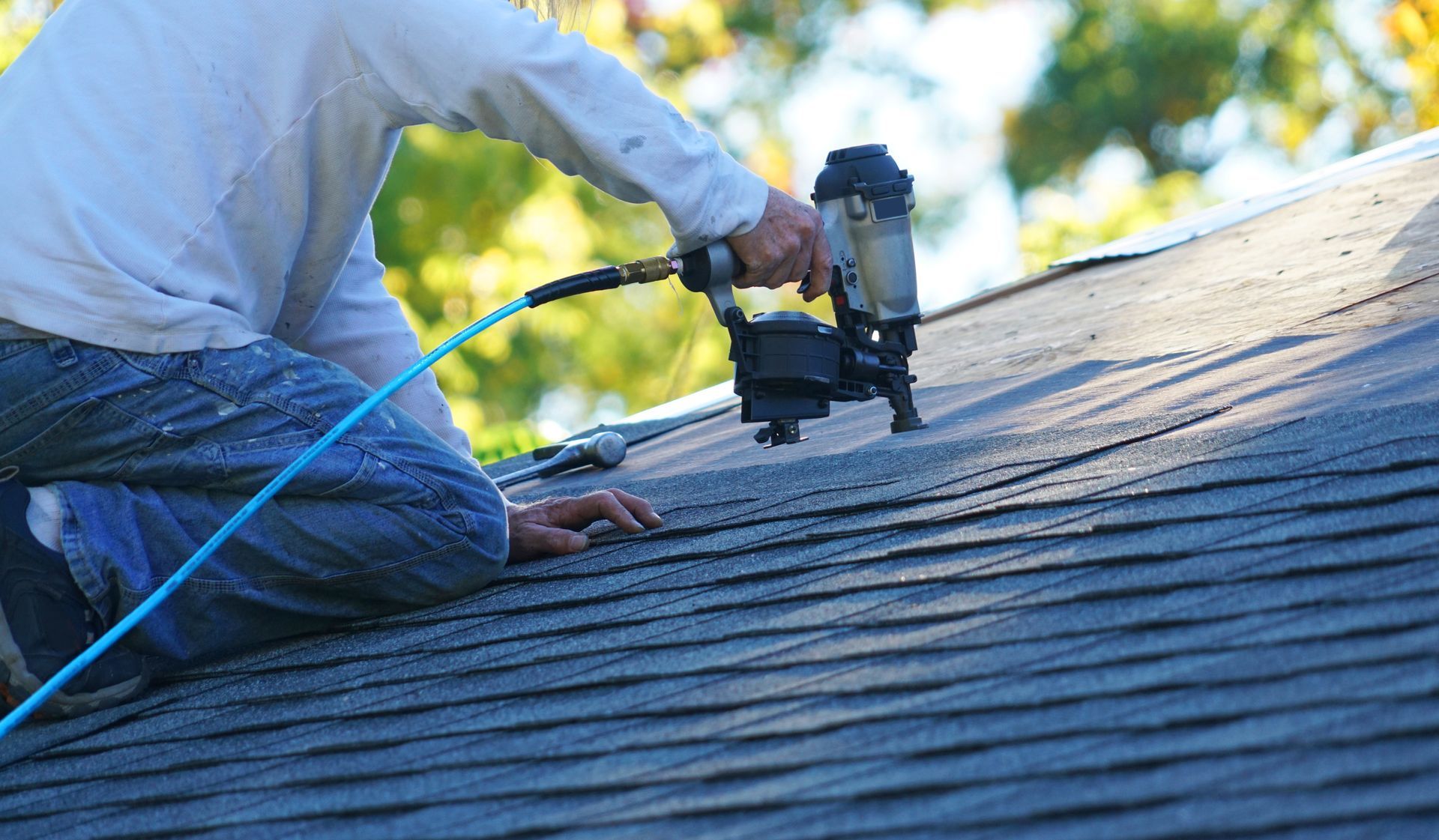
How shingles are nailed down is not arbitrary. The shingle nailing pattern determines how well the roof resists wind uplift and water penetration. Most manufacturers specify a pattern that includes the number of nails per shingle, their placement relative to the edges, and the spacing between rows. For example, a common pattern uses four nails per shingle, placed about an inch from each side edge and near the top of the shingle so the next row covers the nail heads. Using too few nails or placing them too close to the edge can cause shingles to tear away in a strong wind. On the other hand, using too many nails can crack the shingles or create unnecessary holes in the underlayment. Following the manufacturer's guidelines is the safest approach.
Ventilation and Airflow
Shingle ventilation is an aspect that is often overlooked. Asphalt shingles are not breathable, so moisture that builds up in the attic can become trapped between the shingles and the deck. Over time, this trapped moisture can warp the deck, cause mold, and shorten the life of the shingles. To prevent this, ridge vents, soffit vents, or gable vents are installed to allow air to circulate under the roof. Proper ventilation also helps regulate attic temperature, which can reduce cooling costs in the summer and prevent ice dams in the winter. When planning a new roof, ask your contractor about the ventilation strategy and make sure it matches the local climate.
Comparing Asphalt to Other Materials
Wood shingles, often made from cedar or redwood, have a natural appearance that many people love. They weather to a soft gray over time and can last a long time if maintained properly. However, wood shingles are more expensive and require more maintenance than asphalt. They are also more susceptible to rot and insect damage in humid climates. Slate shingles are extremely durable and fire-resistant, but they are heavy and costly, and they require a stronger roof structure to support the weight. For many homeowners in Northern Florida, where humidity and storms are common, asphalt shingles offer a practical middle ground. They are lighter than slate, more affordable than wood, and provide good resistance to wind and rain when installed correctly.
Maintenance and Longevity
An asphalt shingle roof can last between 20 and 30 years, depending on the quality of the shingles, the installation, and the local weather. Regular maintenance is key to reaching that lifespan. Homeowners should inspect the roof at least once a year, looking for loose or missing shingles, curled edges, and signs of granule loss. Granules that accumulate in the gutters are a sign that the shingles are aging. After a severe storm, it is wise to check for damage, even if no leaks are obvious. Moss or algae growth on the roof should be cleaned off gently, as it can trap moisture and degrade the shingles. When repairs are needed, it is best to replace individual shingles rather than patching them with sealants, which can crack and fail.
When Repairs Are Needed
Even with the best care, shingle roofing will eventually need attention. Common signs of trouble include water stains on the ceiling, missing shingles after a storm, or granules washing into the downspouts. If a small area is damaged, replacing a few shingles is usually straightforward. The damaged shingles are lifted, the nails are pulled, and new shingles are slid into place and nailed down. For larger areas, such as a section of roof that has been hit by falling branches, a professional roofer should assess the deck and underlayment. Trying to patch a large damaged area without checking the underlying structure can lead to bigger problems later.
Working With a Professional
While some homeowners are comfortable with minor repairs, a full roof replacement or major repair is best left to experienced roofers. The installation process involves precise measurements, proper alignment of shingles, and careful handling of flashing and vents. A small mistake in the nailing pattern or underlayment can compromise the entire roof. When hiring a contractor, look for one who is licensed, insured, and familiar with local building codes. Ask about their experience with asphalt shingles specifically, and request references from recent jobs. A good contractor will also inspect the roof deck and recommend any necessary repairs before starting the new shingle installation.
Final Thoughts
Choosing the right roofing material is a decision that affects your home's comfort, value, and protection for many years. Asphalt shingles remain a solid choice for many homeowners because they combine good performance with reasonable cost. But the success of any shingle roofing project depends on careful preparation, quality materials, and skilled installation. Pay attention to the details: the underlayment, the flashing, the nailing pattern, and the ventilation. By understanding these elements, you can make informed choices and avoid common pitfalls. Whether you are building a new home or replacing an old roof, taking the time to learn about the process will help you get a roof that lasts.